Secrets of the Hammam: Morocco's Purification Ritual
Explore the ancient purification ritual of the hammam in Morocco. Learn about its cultural traditions, the step-by-step process, and the spiritual benefits that make this wellness experience essential for both body and soul.
CULTURE
Taoufik El Karkri
Entering the Hammam: A Sensory Experience
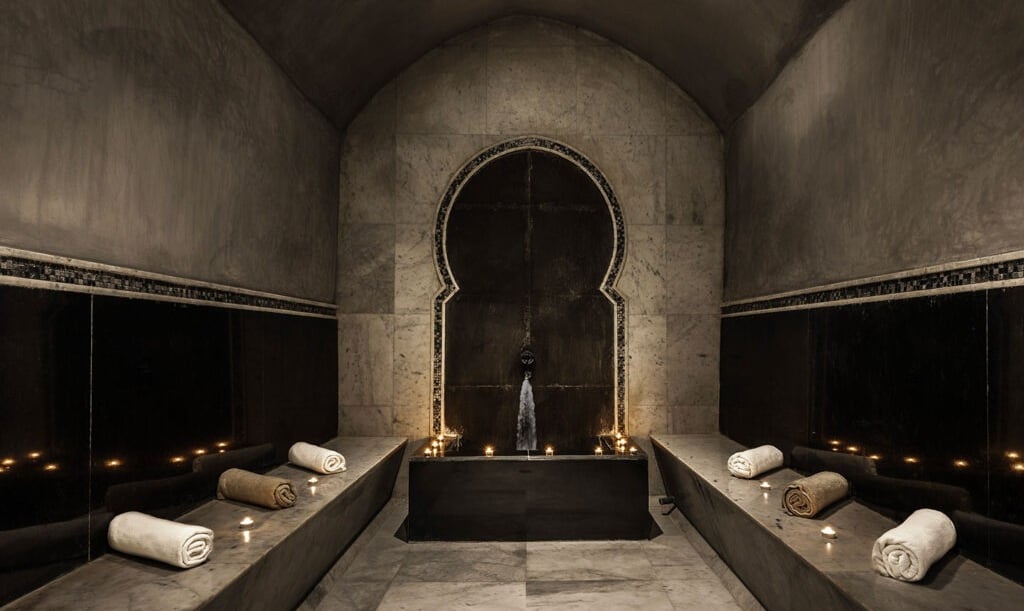
As one approaches the entrance of the hammam, the anticipation builds with each step taken toward this sanctuary of cleansing. Upon entering, visitors are immediately enveloped in warmth and humidity, the air thick with the soothing caress of steam. This gentle embrace serves not only to cleanse the skin, but also to prepare the mind for the purification ritual that is about to unfold. Soft, diffused lighting casts gentle shadows across the curved walls, creating an inviting atmosphere that is both serene and contemplative.
Amidst the palpable warmth, the sounds of water splashing and gentle voices echo in the air, adding to the rhythmic pulse of life in the hammam. Laughter and soft conversations blend harmoniously with the serene ambiance, fostering a sense of community among visitors. The soundscape is enriched by the subtle trickling of water from nearby fountains, each drop enhancing the experience, drawing people further into this intimate refuge.
As one moves deeper into the hammam, the humidity becomes a tangible entity, wrapping around like a warm, comforting blanket. The distinct scent of essential oils—like eucalyptus and rose—mingles with the warm air, creating an aromatic delight that softens the edges of daily life. This sensory tapestry ignites the senses, inviting individuals to breathe deeply and let go of the external world. Visitors are greeted by soothing temperatures, which seem to harmonize with their own rhythms, allowing for an immediate sense of relaxation.
In this ancient space of purification, each element—the steam, the light, the sounds, and the scents—plays a crucial role in cultivating a profound experience. The hammam is not merely a place to wash; it is a space where the senses awaken, creating an environment ripe for renewal and introspection.
A Journey Through History: The Origins of the Hammam
The hammam, a cornerstone of Moroccan culture, has its origins deeply rooted in the practices of ancient civilizations. The tradition can be traced back to the Roman Empire, where public baths served not only for hygiene but as social hubs. Romans introduced a systematic approach to bathing that included a series of heated rooms, with intricate architectural designs that promoted relaxation and wellness. This concept of communal bathing provided a foundation upon which the Moroccan hammam evolved.
As Islamic culture spread throughout North Africa, the hammam took on new significance. Islamic teachings emphasized cleanliness, making bathing an integral part of spiritual practice. The hammam was not merely a place for physical purification; it also became a spiritual sanctuary. Here, rituals of cleansing aligned with the spiritual belief that purity of body reflected purity of soul. This dual function solidified the hammam's standing in Moroccan society, and it transformed into a ritual space that intertwined notions of health, spirituality, and community.
Over the centuries, the hammam has undergone various transformations, yet its core essence as a communal bathing space remains intact. The architectural elements of the hammams reflect regional styles and local materials, illustrating the adaptation of this practice across different Moroccan contexts. While some hammams maintain their close ties to historical practices, others have evolved to cater to modern needs, introducing amenities that blend traditional elements with contemporary comforts.
Today, understanding the history of the hammam enriches one’s appreciation of this practice. It is not just a physical space; it embodies a timeless ritual that has transcended generations, thereby reinforcing social ties and preserving collective cultural identities in Morocco.
The Step-by-Step Guide to Your Hammam Experience
Embarking on a hammam journey is an enriching experience that emphasizes purification and relaxation, echoing centuries of Moroccan tradition. Understanding the sequence of events enhances not only the experience but also the benefits of this ancient ritual.
Your hammam experience begins with the application of black soap, a natural mixture predominantly sourced from olive oil and infused with eucalyptus. This soap is generously applied to the skin, allowing it to hydrate and soften. This initial step prepares the skin for effective cleansing, loosening impurities trapped in the pores.
After a brief waiting period, participants move to the warm room, typically heated to a comfortable temperature. Here, the heat facilitates deep sweating, which is crucial for expelling toxins from the body. This environment allows clients to relax fully, as it promotes a serene and tranquil atmosphere.
Next comes the invigorating exfoliation using a kessa glove. This traditional Moroccan glove is renowned for its effectiveness in sloughing off dead skin cells. The therapist delicately scrubs the body, providing not only physical cleansing but also stimulating circulation. The sensation is often refreshing, leaving the skin rejuvenated and invigorated.
Following the scrub, a thorough rinse is conducted to wash away the remnants of the black soap and other products used throughout the process. Warm water further enhances relaxation and prepares the body for the final phase of the ritual.
The final step is devoted to relaxation. After the rigorous scrubbing and rinsing, participants will often recline in a comfortable area, allowing the body to cool down. This moment of stillness is pivotal for assimilating the benefits of the treatment, promoting mental clarity and physical contentment.
The Social Dimension of the Hammam
The hammam, or traditional bathhouse, is not merely a place for physical cleansing; it also plays a pivotal role in the social fabric of Moroccan society, particularly among women. This unique setting serves as a communal gathering spot where women come together to engage in conversation, share stories, and build relationships. In this environment, the hammam transforms into a vibrant hub of social interaction, facilitating connections that extend beyond the water and steam.
As women of all ages enter the hammam, they are enveloped in an atmosphere that nurtures bonding and friendship. It is not uncommon to witness mothers gently scrubbing their daughters, a ritual that illustrates the deep intergenerational connections fostered within this space. This practice not only symbolizes care and affection but also serves as a way to pass down traditions and cultural values from one generation to the next. The shared experience of bathing allows mothers to impart lessons of femininity and social norms, highlighting the importance of continuity within families.
The communal nature of the hammam is further enhanced by the openness and intimacy it provides. Women can freely express themselves, discuss personal matters, or seek advice without the constraints often found in public life. Such interactions contribute significantly to a sense of belonging and community among participants. The laughter, conversations, and exchanges of wisdom create an atmosphere that envelops each visitor, fostering a shared identity rooted in cultural heritage.
In essence, the hammam functions as an essential social institution in Morocco, one that transcends the physical act of bathing. It embodies a space where women can connect, support one another, and cultivate a sense of community, thereby enriching the cultural and emotional landscape of Moroccan life.
Practical Tips for Your Hammam Visit
Visiting a hammam can be an enriching and rejuvenating experience, but it's essential to prepare adequately for your visit to ensure comfort and enjoyment. The first step in your preparations involves what to bring. Essentials include a towel, flip-flops, and a reusable water bottle to stay hydrated throughout your session. If you prefer, bringing your own natural soap or body scrub can enhance your experience, as many hammams provide basic amenities, but having your preferred products can lead to a more enjoyable time.
For individuals who may feel self-conscious, especially first-timers, it is helpful to remember that hammams are frequented by individuals of all body types and backgrounds. Overcoming shyness can be facilitated by focusing on the therapeutic benefits of the experience. Consider visiting at off-peak hours when the ambiance is more relaxed, which may ease any feelings of discomfort. Many hammams offer private rooms for those who seek a more individualized experience, making it easier to enjoy the ritual without feeling exposed.
As you plan your trip, it is essential to understand the distinctions between public hammams and upscale spas. Public hammams typically have a vibrant, communal atmosphere, fostering a sense of community among visitors. These venues often provide a traditional experience, embodying the rich cultural heritage of Morocco. Upscale spas, on the other hand, cater to those seeking a more luxurious environment, offering amenities such as treatments, aromatherapy, and personalized services. Depending on your preferences, budget, and desired experience, carefully choose between these types of establishments for your hammam visit.
The Health Benefits of the Hammam Ritual
The hammam, a traditional Moroccan steam bath, is not only a cherished cultural practice but also a therapeutic ritual with various health benefits. Primarily, the exposure to steam and heat in the hammam stimulates circulation, which can lead to improved cardiovascular health. Increased blood flow helps to oxygenate the body more effectively, promoting a sense of vitality and well-being.
Moreover, the heat generated within the hammam aids in detoxification. As individuals relax in the warm steam, their bodies expel toxins through perspiration. This natural detox process can boost overall health and may enhance the body's ability to combat illnesses. Regular visits to the hammam can help maintain a balanced and purified system, thus contributing to a person’s holistic wellness.
Another significant aspect of the hammam experience is its effect on skin health. The steam hydrates the skin and opens up pores, allowing for the removal of dead skin cells and impurities. This cleansing process promotes clearer, healthier skin and can alleviate issues such as acne and dryness. Additionally, many individuals use natural scrubs or exfoliants during their hammam experience, further enhancing skin rejuvenation.
Relaxation is another paramount benefit associated with the hammam. The soothing environment and heated surroundings help to alleviate stress and anxiety, providing a mental respite from the fast-paced world outside. The ritual promotes mindfulness, allowing individuals to engage in self-care and reflect upon their personal well-being.
In essence, the hammam experience encompasses a multitude of health benefits, from stimulating circulation and detoxifying the body to enhancing skin health and promoting relaxation. These advantages contribute to a comprehensive approach to wellness, making the hammam a valuable ritual in Moroccan culture and beyond.
Embracing Your Hammam Experience: A Cultural Perspective
Visiting a hammam is not merely a routine spa day; it is an immersion into a rich cultural practice that has been cherished in Morocco for centuries. To fully embrace your hammam experience, it is essential to adopt a respectful attitude towards the customs and traditions inherent in this ritual. By understanding the significance of the hammam in Moroccan culture, guests can foster a more profound connection to this unique practice.
Respecting local traditions begins with understanding the hammam environment. It is customary to participate in the cleansing process, which involves using natural products such as black soap, ghassoul clay, and various essential oils. Each item has a role in purifying the body and rejuvenating the skin, and correctly utilizing these products showcases a commitment to honoring the practice. Additionally, embracing the communal aspect of the hammam is vital; this space transcends mere cleanliness and serves as a social hub where stories and laughter are shared among friends and neighbors.
An open mind is undoubtedly an asset during your hammam adventure. Allow yourself to be enveloped by the warmth and steam, as these elements contribute profoundly to the purification process. Many visitors find joy in the sensory experience—the soothing aroma of the oils, the touch of the warm water, and even the camaraderie of shared experiences with fellow bathers. It transforms into not just a physical cleanse but a spiritual one, too.
In celebrating this vibrant cultural ritual, being mindful of local customs enhances the overall experience. Approach your time in the hammam with kindness and curiosity, and you may discover not just relaxation but a deeper appreciation for Moroccan heritage. Ultimately, the hammam offers a compelling invitation to connect with the richness of Moroccan culture and the warmth of its people. So, enter with an open heart and let the experience envelop you in its ancient embrace.